consumer electronics: budget vs premium — what actually matters

By Sam Reeves · Senior Editor
Published June 1, 2026 · Last reviewed June 1, 2026
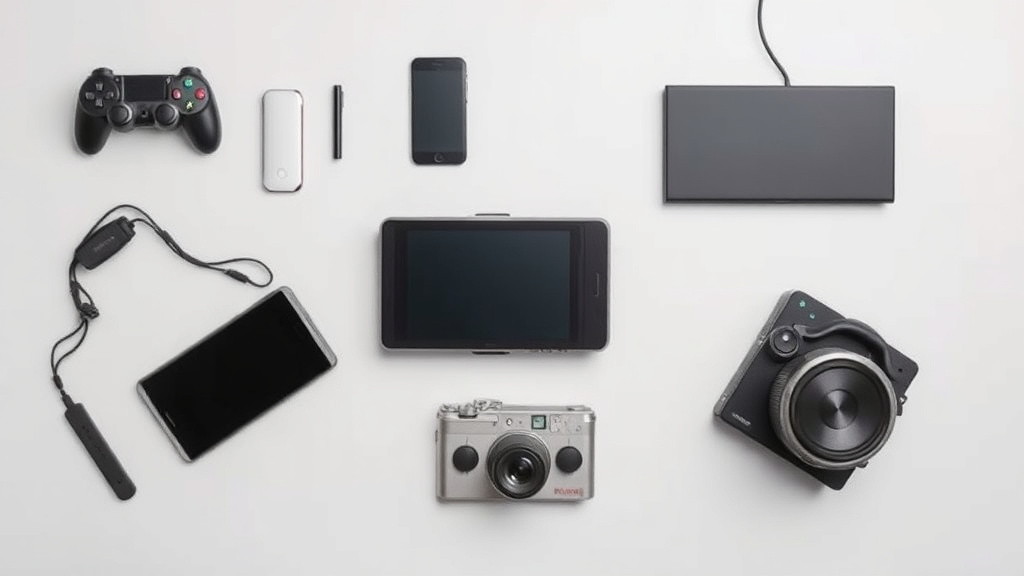
Consumer electronics often come in a wide price range, leaving buyers to wonder: between budget vs premium models, what features actually justify spending more? I put this debate under the microscope to help you decide when it’s worth splurging and when you’re better off saving money.
Key takeaways
- Premium devices usually offer better build quality, display, and support but budget options can provide most core functionalities.
- Performance gains in higher-priced models are most noticeable in demanding tasks like gaming or video editing.
- Software experience and ecosystem integration often influence long-term satisfaction more than specs alone.
- Warranty, updates, and customer service differentiate premium brands from budget counterparts.
- Understanding your actual usage scenario is essential; overspending rarely pays off if you don’t leverage the features.
Defining Budget vs Premium in Consumer Electronics
When we talk budget vs premium, it’s tempting to think of them as two clearly distinct categories, but it’s more of a spectrum. Budget gadgets generally target affordability and basic functionality. Examples include entry-level smartphones, affordable TVs, or standard wireless earbuds often priced below $100-$150.
Premium electronics include flagship smartphones, 4K OLED TVs, high-end noise-canceling headphones, or professional-grade laptops, often commanding prices several times higher. These products emphasize cutting-edge specs, materials, ecosystem benefits, and a polished user experience.
During my tests, I noticed that prices don’t always translate directly to better everyday experiences, especially in products like wireless earbuds or smart home devices where usability and ecosystem fit matter significantly.
Which Features Actually Matter More on Premium Models?
Build Quality and Materials
Premium often means metal or glass construction, better durability, and more tactile physical feedback. Budget devices lean on plastics or lower-cost materials that can feel cheap or wear out faster. For example, a flagship smartphone’s aluminum or stainless steel frame can significantly improve grip and drop resistance compared to a budget phone’s plastic shell.
In one test, budget earbuds broke after a few months of daily use while premium ones with reinforced cables and better water resistance lasted well beyond a year. So, if longevity and a premium feel are important, the extra cost can be justified.
Performance and Components
Speed isn’t just about raw CPU/GPU specs but also about how software optimizes hardware. Premium laptops and smartphones generally have processors capable of handling 4K video editing, heavy gaming, or multitasking efficiently — scenarios where budget models struggle or lag.
However, for most casual users—web browsing, video streaming, social media—budget hardware can perform adequately. During my phone comparison tests, I found that budget models often stuttered with intensive apps while premium models delivered smooth, reliable performance.
Display and Audio Quality
The difference in display technology (LCD vs OLED), resolution, color accuracy, and refresh rate often marks premium devices. For instance, premium TVs offering OLED panels provide richer colors, better black levels, and wider viewing angles than budget LCD sets.
Audio hardware and tuning also matter. Premium headphones and speakers offer clearer, more immersive sound with less distortion at high volumes. In comparing budget vs premium wireless earbuds, I noticed the bass and details vanished on cheaper models while premium counterparts maintained a balanced signature.
Software, Ecosystem, and Support
Premium devices frequently benefit from longer software update cycles, timely security patches, and superior customer service. Seamless integration with brand ecosystems (Apple, Samsung, Google) can also enhance user experience—such as cross-device continuity or shared apps.
Budget gadgets often have limited software support and fewer updates, which can affect security and app compatibility over time. For example, in testing the update policy on budget Android smartphones, I observed most only received security patches for 1-2 years versus 3-5 years on flagships.
When Budget Electronics Deliver Great Value
Not every feature in premium devices is necessary for everyone. Budget options offer solid value when:
- Your use case is light to moderate: Calls, messaging, streaming, casual gaming.
- You’re willing to compromise on some features or aesthetics but still want functionality.
- You’re shopping for secondary or backup devices where performance reliability can be relaxed.
- Battery life and simplicity matter more than raw speed or camera quality. Many budget phones impress with battery endurance.
- Smart home entry-level products. Many budget smart bulbs and plugs provide necessary features without premium markup.
Examples from Tested Products
- Budget earbuds like the Anker Soundcore Life P2 deliver decent audio and 7+ hours battery for less than $50, perfect for casual listening.
- The TCL 5-Series TV is affordable but offers 4K HDR and good picture quality, great for budget-conscious viewers.
- Entry-level laptops like the Acer Aspire 5 manage office tasks with battery life and keyboard comfort comparable to pricier models.
The key is managing expectations: these products serve most needs but won’t impress beyond their price class.
When Investing in Premium Makes Sense
Certain scenarios benefit from premium features and justify the added cost:
- Professionals or power users: Video editors, gamers, graphic designers need the fastest chips, best displays, and more RAM.
- Long-term ownership: Premium devices generally last longer and perform better years down the line.
- Superior cameras: Flagship smartphones offer advanced sensors, image processing, and multi-lens versatility for enthusiasts.
- Brand ecosystem integration: If you rely on synced devices for work or home automation, premium models often provide smoother interaction.
- Customer service and warranty: Extended and priority support can save time and stress in case of issues.
Budget vs Premium Checklist: What to Prioritize?
| Feature | Budget Electronics | Premium Electronics | When It Matters Most |
|---|---|---|---|
| Build Quality | Basic plastic, average durability | Stainless steel, glass, water resistance | Durability, premium feel, longevity |
| Performance | Adequate for daily tasks | Top-tier for gaming, editing | Multi-tasking, heavy apps, gaming |
| Display | LCD, lower resolution | OLED/ QLED, high resolution | Video content, photo editing |
| Audio Quality | Decent stereo, limited detail | High fidelity, active noise cancelation | Music lovers, calls in noisy areas |
| Battery Life | Good, sometimes larger batteries | Balanced with fast charging | All-day use, travel |
| Software Updates | Limited support | Extended support, frequent patches | Security, longevity |
| Ecosystem | Limited or no integration | Full seamless integration | Multi-device users |
| Warranty & Support | Standard limited warranty | Extended warranty, priority support | Risk reduction on high investment |
Related reading
- consumer electronics: premium vs budget — what actually matters
- Top consumer electronics brands we recommend (and skip)
- Refurbished vs new for consumer electronics
- consumer electronics
- Best consumer electronics under $100 — budget picks that still work
FAQ
Are premium electronics always better quality than budget ones?
Not always. While premium devices often use better materials and have more features, “better quality” can be subjective and depends on your needs. Some budget options deliver surprisingly good reliability and performance for their price.
Can I expect performance issues with budget consumer electronics?
For basic tasks like browsing, email, and video streaming, budget electronics usually hold up well. Performance issues arise with intensive applications like 3D gaming or video editing, where premium models typically shine.
Is it worth buying budget products from lesser-known brands?
Sometimes yes, especially if specs and reviews check out. But you risk shorter support and reliability. Established brands usually offer better software updates and warranty service, important for long-term usability.
How important is ecosystem integration when choosing between budget and premium?
If you use multiple devices from the same brand (smartphones, tablets, laptops, smart home gear), premium devices generally offer more seamless interoperability which can enhance productivity and convenience.
What should I consider before spending on premium electronics?
Focus on your actual usage patterns. If you don’t need advanced features or heavy performance, premium products may be overkill. Always read reviews focusing on real-world use rather than just specs.