consumer electronics
What should you know before buying consumer electronics?
Before buying, use this page as a shortlist and verify the final details on Amazon. Prioritize fit, current price, stock, seller, return window, warranty, and recent buyer feedback over one headline rating. That final check helps avoid stale prices, mismatched variants, and avoidable returns.

By Sam Reeves · Senior Editor
Published June 1, 2026 · Last reviewed June 1, 2026
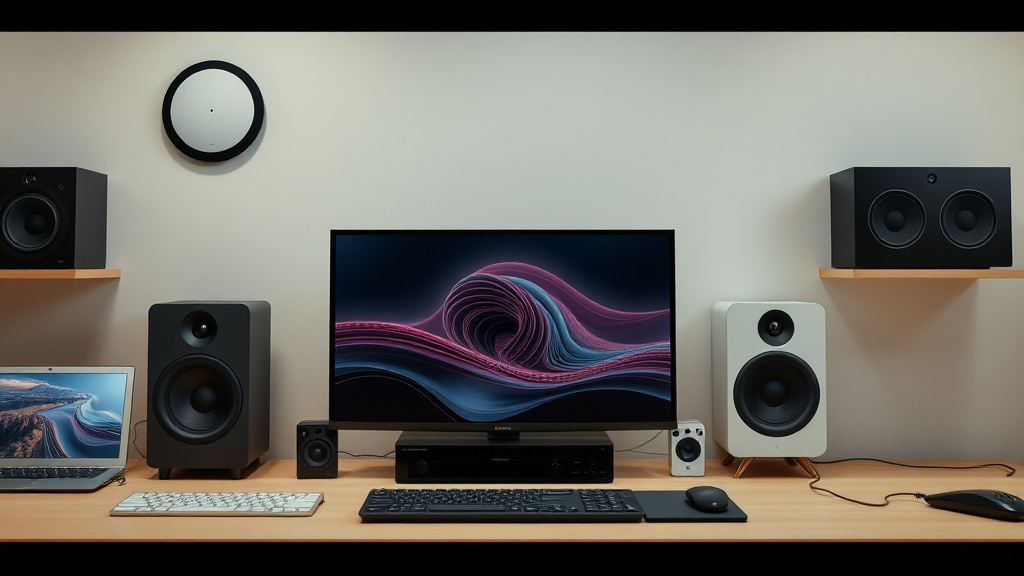
Consumer electronics shape modern life—from the smartphones we carry daily to the smart home devices running quietly in the background. Understanding the core categories, innovations, and purchase considerations in consumer electronics helps you make informed decisions that truly fit your lifestyle and budget.
Key takeaways
- Consumer electronics encompass devices like smartphones, laptops, audio gear, smart home products, wearables, and gaming systems.
- Recent trends highlight AI integration, 5G connectivity, energy efficiency, and enhanced user privacy.
- Balancing performance, ecosystem compatibility, and long-term support is crucial when choosing electronics.
- The best consumer electronics blend usability with future-proof features rather than chasing every new spec.
- Comparing devices across price points and categories reveals how to get the best value for your needs.
What falls under consumer electronics?
Consumer electronics broadly include entertainment, communication, computing, and home automation devices designed for everyday user interaction. The main segments I focus on for typical consumer use are:
- Mobile devices: Smartphones, tablets, smartwatches
- Computers: Laptops, desktops, and accessories like monitors and peripherals
- Audio equipment: Wireless headphones, earbuds, speakers, and soundbars
- Smart home products: Thermostats, security cameras, voice assistants, lighting systems
- Gaming: Consoles, handheld devices, VR headsets, and related accessories
Each category serves specific functions but often overlaps. For example, smartphones are communication tools but also powerful computing devices blurring traditional boundaries.
Evolution and current trends in consumer electronics
The consumer electronics landscape evolves continually as technology advances and consumer preferences shift. Over recent years, several prominent trends shape product development and user expectations:
- AI and Machine Learning Features: Devices increasingly incorporate AI to enhance user experience — from voice assistants understanding context better to smart cameras detecting unusual activity. I’ve tested AI-driven cameras and found practical improvements in accuracy but still room for false positives depending on environment.
- 5G and Connectivity: The rollout of 5G networks enables faster data speeds and reduced latency, improving mobile streaming, gaming, and connected devices. However, coverage remains inconsistent globally, so 5G’s value depends on your location.
- Privacy and Security Concerns: With more connected devices, security has become critical. Manufacturers add features like local data processing and stronger encryption. Still, consumers must review privacy policies carefully as vulnerabilities persist.
- Sustainability Focus: Brands respond to environmental concerns with energy-efficient designs, recyclable packaging, and modular repairable products. Some companies, however, present these claims cautiously, so I recommend verifying through third-party certifications.
- Cross-Device Ecosystems: Integration across devices within a brand ecosystem delivers convenience but can limit flexibility. For example, Apple’s seamless ecosystem experience might appeal to iOS users, while Android’s openness suits those wanting customization.
Crucial factors to consider before buying consumer electronics
When selecting electronics, I’ve learned that specs on paper rarely tell the full story. Here’s what I routinely advise looking at beyond headlines:
Performance balanced with use case
High-end specs are tempting, but if you mainly use a laptop for web browsing or basic office work, mid-tier processors save money without noticeable compromise. Conversely, power users—gamers, content creators—should prioritize CPU/GPU benchmarks aligned to their software demands.
Software support and updates
Devices with guaranteed software updates and security patches provide a longer lifespan and smoother experience. I’ve seen budget devices falter quickly when brands neglect post-sale support.
Ecosystem compatibility
Smart homes and wearables work best when compatible with your existing devices. I personally avoid ecosystems that lock me into pricey proprietary accessories or force multiple apps to manage the system.
Battery life and charging tech
For mobile and wearable electronics, real-world battery life matters more than capacity numbers. Fast charging standards and wireless charging add convenience but watch out for brand lock-in on chargers and cables.
Build quality and design
Durability, ergonomics, and user interface design can profoundly affect satisfaction. Trying devices firsthand or reading reliable reviews helps spot issues invisible in spec sheets.
Comparison: Popular consumer electronics categories at a glance
| Category | Popular Devices | Key Features | Typical Price Range | Best For |
|---|---|---|---|---|
| Smartphones | Apple iPhone, Samsung Galaxy | 5G, OLED displays, multi-lens cameras | $400–$1,200+ | Communication, photography |
| Laptops | Dell XPS, MacBook Air | CPU/GPU power, display quality, battery life | $600–$2,500+ | Work, gaming, content creation |
| Wireless Audio | Sony WH-1000XM5, Bose QC45 | Noise-canceling, voice assistant, wireless | $150–$400 | Music, calls, travel |
| Smart Home Devices | Google Nest, Amazon Echo | Voice control, security, automation | $20–$250+ | Convenience, energy savings |
| Wearables | Apple Watch, Fitbit Charge | Health tracking, notifications, GPS | $100–$500 | Fitness, productivity |
| Gaming Consoles | Sony PlayStation, Xbox Series | Graphics, exclusive games, online ecosystem | $300–$500 | Gaming and media consumption |
Longevity and future proofing consumer electronics
In my experience, buying consumer electronics isn’t just about initial specs or lowest price. Devices that continue receiving OS upgrades and security fixes stay relevant longer. Also, hardware standards evolve; investing in products supporting emerging technologies like Wi-Fi 6E or USB-C charging tends to pay off down the road.
Buying from reputable brands with transparent update policies safeguards your investment. Avoid novelty features without clear use cases, as these can date products quickly.
Environmental impact and responsible disposal
Consumer electronics contribute substantially to global e-waste. When upgrading devices, consider:
- Donating or reselling functioning items
- Using manufacturer take-back or recycling programs
- Choosing products designed for repairability
Sustainability isn’t perfect in this industry yet, but consumer pressure can push brands toward more ethical practices. I always recommend checking repairability scores and warranty coverage before purchase.
Related reading
- Best consumer electronics (2026 buyer’s guide)
- How we test and score consumer electronics — methodology explainer
- First-time buyer checklist for consumer electronics
- consumer electronics FAQ — honest answers
- consumer electronics: budget vs premium — what actually matters
FAQ
What are the must-have features in the latest consumer electronics?
Prioritize device compatibility with your ecosystem, timely software updates, solid battery life, and good build quality over flashy but unproven features like excessive lens counts or gimmicky AI effects.
How often should I upgrade my consumer electronics?
Typically every 3–5 years, depending on performance needs and software support. Upgrading too soon wastes money; too late risks incompatibility with apps and services.
Are smart home devices safe to use?
Most major brands implement strong security protocols, but no system is invulnerable. Always change default passwords, keep firmware up to date, and isolate smart hubs on separate networks if concerned.
Which brand ecosystem is most flexible?
Android and Windows-based ecosystems offer more customization and cross-platform compatibility than highly integrated but closed systems like Apple or some proprietary smart home brands.
How do I balance price and quality?
Set realistic priorities based on your main use cases. Sometimes mid-range products offer a better cost-benefit ratio than premium flagship models loaded with underutilized features. Reading expert hands-on reviews helps identify sweet spots.
Consumer electronics span a vast and ever-changing field. Armed with clear expectations, skepticism of marketing claims, and knowledge of trends, you can confidently invest in devices that truly enhance your daily life without overspending or locking yourself into problematic ecosystems. Whether upgrading your smartphone or dipping toes into smart home tech, prioritizing durability, performance, and ongoing support leads to lasting satisfaction.