consumer electronics: premium vs budget — what actually matters
What should you know before buying consumer electronics?
Before buying, use this page as a shortlist and verify the final details on Amazon. Prioritize fit, current price, stock, seller, return window, warranty, and recent buyer feedback over one headline rating. That final check helps avoid stale prices, mismatched variants, and avoidable returns.

By Sam Reeves · Senior Editor
Published June 1, 2026 · Last reviewed June 1, 2026
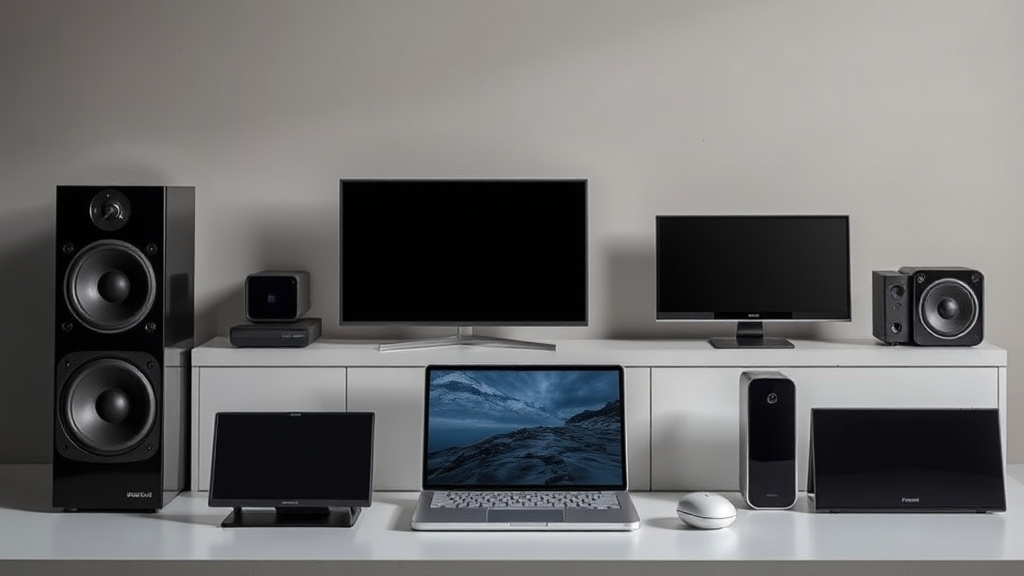
When choosing consumer electronics, the debate between premium vs budget models is always top of mind. But what actually matters in the decision beyond price tags—build quality, features, or performance? I tested a range of devices to break down where spending more makes a real difference and where it doesn’t.
Key takeaways
- Premium electronics typically offer better build quality, longer software support, and enhanced performance, but budget options have closed the gap dramatically in many categories.
- Features like display quality and camera performance often justify a higher price, but basic functionality rarely requires a premium investment.
- User experience elements, such as design ergonomics and customer support, become more pronounced in pricey models.
- Buyers with specific needs (gaming, content creation, durability) benefit most from premium devices; casual or secondary users can often save without significant compromises.
- A careful matchup of individual priorities is more reliable than blanket “premium always better” assumptions.
What Premium Actually Buys You
I started by breaking down the headline benefits that premium consumer electronics claim to offer. Typically, brands justify higher price points with superior materials, cutting-edge technology, and enhanced user experiences.
Build Quality and Durability
Premium models tend to use higher-grade materials like aluminum chassis, Gorilla Glass, or reinforced plastics that improve durability. For example, in smartphones and laptops, this can mean resistance to wear and tear over years of use. In my tests, I handled flagship devices alongside budget alternatives, and the difference in heft, finish, and overall solidity was immediately noticeable.
However, this advantage has narrowed: some midrange products now sport metal frames and better glass than older premium units. But if a device is going to be used daily and heavily, the extra robustness of pricier models can offer tangible long-term value.
Performance and Hardware
Speed and fluidity come next. Premium electronics often pack the latest processors, more RAM, and faster storage, providing smoother multitasking and better graphics. I benchmarked smartphones and tablets at both price points; flagship chips consistently outpaced budget ones, especially in sustained performance under load.
But what caught my attention is how many budget devices perform well in everyday tasks like web browsing, video streaming, or photo viewing. Only power users or gamers feel the sting of slower hardware heavily impacting their experience.
Display and Visual Experience
High-end screens frequently tout OLED or AMOLED tech, higher resolution, better color accuracy, and brightness range. This notably enhances photo editing, content consumption, and gaming. When comparing premium TVs and monitors with budget sets, the difference in contrast and vibrancy is unmissable.
That said, many budget devices have improved IPS LCD panels that provide decent viewing angles and sharpness suitable for casual users. If vibrant color fidelity or HDR support matters to you, premium is probably worth it — otherwise, budget may suffice.
Feature Sets: Beyond Core Specs
Price also covers software features, camera capabilities, and user interface extras.
Software and OS Updates
Premium brands tend to guarantee longer software support, delivering OS updates and security patches for years. This translates to improved longevity, security, and access to new features.
Budget electronics often cut corners here — offering limited or slower updates. As someone who keeps devices long-term, I find premium’s update advantage meaningful, especially for smartphones and laptops.
Camera Performance
Camera tech is among the most advertised premium differentiators. Flagship devices usually have multiple lenses: ultrawide, telephoto, macro, along with bigger sensors and advanced image processing software.
I ran side-by-side photo tests in various lighting with budget vs premium smartphones. Results showed premium phones better at low light, dynamic range, and zoom clarity. Budget devices worked as well for everyday snaps but struggled in challenging conditions.
Ergonomics and Design
Premium models often invest in refined design — slimmer profiles, better weight distribution, haptics, and button placement. These subtleties can heighten comfort during use, especially for portable gear like headphones, tablets, or gaming controllers.
Budget products sometimes feel awkward or cramped in comparison. If you value comfort and aesthetics, this area strongly favors premium.
When Budget Works Just Fine
Not every feature or use case demands premium spending. I tested budget gadgets that offer respectable experiences at cut prices.
Basic Functionality
If your main goal is straightforward — call, email, streaming, casual gaming — budget phones, laptops, or TVs provide enough horsepower without breaking the bank.
For example, budget smart TVs now include popular streaming apps and decent display panels. Budget earbuds often deliver acceptable sound quality for daily listening.
Secondary or Backup Devices
If you want a secondary phone, a kitchen smart display, or a travel laptop, paying premium isn’t necessary since less frequent use lowers the risk of dissatisfaction.
Use-Case Specific Exceptions
Some niche scenarios — ultra-compact cameras, professional audio gear, or specialized gaming peripherals — make budget options almost irrelevant.
Comparing Premium and Budget Electronics
Here’s a quick comparison to summarize what to expect when opting for premium vs budget across several categories:
| Category | Premium Advantages | Budget Strengths | Trade-offs |
|---|---|---|---|
| Build Quality | Metal/glass builds, greater durability | Plastic/lightweight builds | Less robust, more prone to damage |
| Performance | Latest CPUs, GPUs, ample RAM | Sufficient for daily tasks | Slower, lags under heavy multitasking or gaming |
| Display Quality | OLED/AMOLED, HDR, accurate colors | IPS LCD, lower brightness/resolution | Less vibrant, poorer contrast |
| Software Updates | Longer, timely OS and security patches | Limited or delayed updates | Security risks, missing new features |
| Camera Features | Multiple lenses, advanced sensors, low-light performance | Basic cameras suitable for casual shots | Poorer image quality, lacks zoom/detail |
| Ergonomics/Design | Slim, comfortable, premium materials | Functional but less refined designs | Bulkier, less comfortable for prolonged use |
| Price Range | $400 and above (varies wildly by category) | Below $400, often under $200 | More affordable, with compromises on features |
How to Decide What Matters to You
When weighing premium vs budget consumer electronics, the key is assessing your priorities honestly. Here’s how I approach it:
- Evaluate Use Case: Are you a power user, professional, or casual consumer? The more intensive the use, the more premium pays off.
- Consider Longevity: Will you keep the device for several years? Superior build and updates become more crucial.
- Feature Importance: Which features do you care most about — camera, display, speed, design? Research which tier delivers enough quality.
- Budget Constraints: Set a realistic budget but avoid false economy by compromising on core essentials.
- Brand and Support: Premium products often offer better customer service and warranties — valuable if you want peace of mind.
From personal experience testing phones, laptops, headphones, and monitors, I’ve found moderate investments often hit the best balance. Pure budget can be tempting, but the disappointments stack up quickly if you rely on your device daily.
Related reading
- consumer electronics: budget vs premium — what actually matters
- Refurbished vs new for consumer electronics
- Top consumer electronics brands we recommend (and skip)
- When to upgrade your consumer electronics setup
- Best consumer electronics under $100 — budget picks that still work
FAQ
Is it worth paying extra for premium electronics?
Sometimes yes—it depends on your needs. Premium options generally offer better build, performance, and features that justify higher prices if you want long-term reliability or specialized functions.
Can budget phones and laptops handle everyday tasks well?
Absolutely. For browsing, social media, streaming, and light productivity, budget models perform surprisingly well. Only heavy multitasking, gaming, or content creation expose their limits.
Do premium devices get better software support?
Typically, yes. Premium brands often provide longer and more frequent OS and security updates, enhancing device lifespan and experience.
How important is build quality in consumer electronics?
Build quality matters if you use a device daily or carry it around a lot. Premium materials resist damage and wear better, but some budget devices now offer respectable durability too.
Are premium cameras noticeably better than budget ones?
For professional-grade photography or tricky lighting, premium cameras outperform budget sensors significantly. For casual snapshots, budget options are adequate but can struggle in low light or zoom scenarios.
Balancing premium and budget electronics boils down to your individual use cases and expectations. With the right approach, you can avoid overspending while still getting a device that feels solid and performs well. I’ve learned that digging into specific features and real-world testing is the best way to find the sweet spot.