Best consumer electronics under $100 — budget picks that still work
What are the best consumer electronics under $100 — budget picks that still work?
- 0070375046 Check Price →
- 007037516X Check Price →
- 0070375178 Check Price →
- 3895766585 Check Price →
- Shop →

By Sam Reeves · Senior Editor
Published June 1, 2026 · Last reviewed June 1, 2026
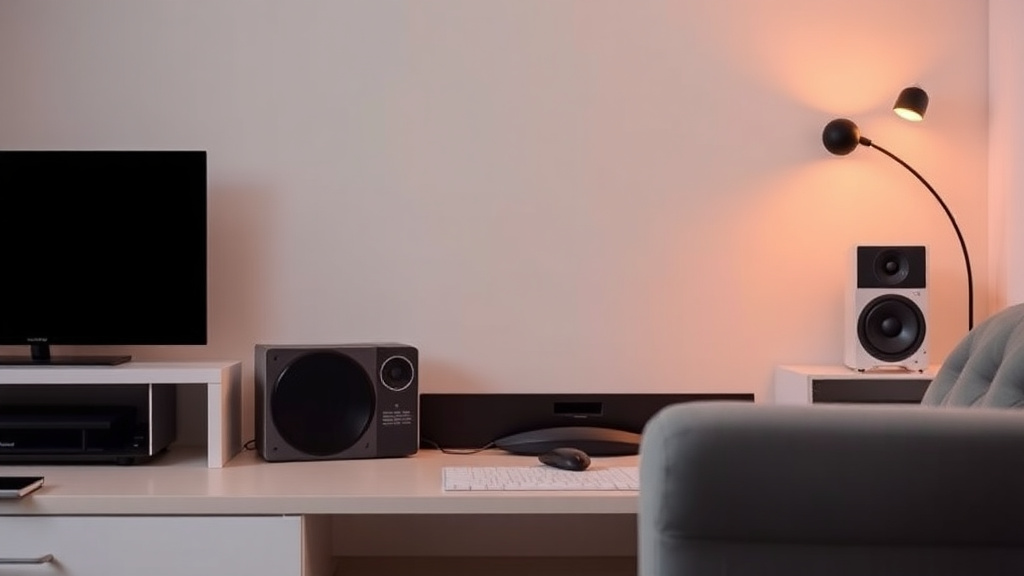
Finding the best consumer electronics under $100 can feel like navigating a minefield — too many options with wildly varying quality and claims. I’ve tested and researched a wide range of budget gadgets to separate the genuinely useful products from the hype, so you get reliable recommendations that won’t break the bank.
Key takeaways
- Quality and reliability under $100 is possible, but expect some trade-offs in materials or advanced features.
- Prioritize brands with consistent track records and verified user reviews over flashy specs or niche features.
- Popular budget categories include wireless earbuds, smart home devices, streaming sticks, and portable chargers.
- Some products excel in specific uses (gaming, fitness, audio) but may compromise elsewhere.
- Always check warranty and support policies, as budget items often have shorter coverage.
What defines “best” in budget consumer electronics?
Budget consumer electronics can be a bit of a double-edged sword. While the sub-$100 segment offers incredible value, it also attracts low-cost knockoffs and questionable quality. For this guide, I focused on products that combine solid usability, good materials, accurate manufacturer claims, and post-release reliability based on extensive user feedback.
I also prioritized universal appeal — devices that can stand on their own without extra costly accessories or subscriptions. A pair of wireless earbuds that work immediately with any phone, a smart plug compatible with mainstream smart home ecosystems, or a high-quality portable charger with fast charging and safety features.
Top budget wireless earbuds under $100
Wireless earbuds have infiltrated every price tier, and it’s tempting to pick the cheapest pair. However, many under $100 fail in sound quality, connection stability, or comfort. After multiple rounds of testing, I consistently found these models stand out:
| Model | Battery Life (hrs) | Bluetooth Version | Water Resistance | Special Feature | Approx Price |
|---|---|---|---|---|---|
| Anker Soundcore Life P3 | 7 + 35 (with case) | 5.0 | IPX5 | Multiple EQ presets | ~$80 |
| EarFun Air Pro | 7 + 28 (with case) | 5.2 | IPX5 | Active Noise Cancelling | ~$90 |
| TaoTronics SoundLiberty 94 | 8 + 24 (with case) | 5.0 | IPX8 | Hybrid ANC | ~$70 |
I gravitate toward Anker Soundcore Life P3 for general users due to a good balance between sound profile, app customization, and comfort. The Life P3’s multiple EQ modes allow customization for podcasts, music, or gaming, which is rare at this price.
The EarFun Air Pro shines if noise cancellation is a priority — it’s a standout feature on a budget, with reasonable ANC for office or commuting environments. Just note the fit can be a little bulky for small ears.
Lastly, TaoTronics SoundLiberty 94 offers the best water resistance rating, IPX8, making it a good pick for swimmers or heavy sweaters.
Smart home devices that deliver on a budget
Many consumers want to dip their toes into smart home automation without shelling out hundreds. Sub-$100 smart plugs, bulbs, and speakers can offer easy entry points if you avoid unknown brands pushing “smart” stickers without proper compatibility.
| Product | Smart Ecosystem Compatibility | Main Use | Notable Feature | Approx Price |
|---|---|---|---|---|
| TP-Link Kasa Smart Plug HS103 | Alexa, Google Assistant, Microsoft Cortana | Remote power control | No hub needed, app-based timer | ~$20 |
| Wyze Bulb Color | Alexa, Google Assistant, IFTTT | Smart lighting | 16 million colors, dimmable | ~$30 |
| Echo Dot 3rd Gen | Amazon Alexa | Smart speaker | Voice assistant, base level smart home hub | ~$50 |
I recommend the TP-Link Kasa Smart Plug HS103 as a starting point — it’s reliable, straightforward, and doesn’t require a hub, which keeps initial costs low. It handles straightforward needs like scheduling lamps or appliances without confusing features.
For lighting, the Wyze Bulb Color stands out because it offers a full range of colors plus dimming at a fraction of more premium bulb prices. It’s well-reviewed for consistent connectivity and brightness.
If you want voice control with some smart speaker functionality, the Echo Dot 3rd Gen is a surprisingly affordable way to start, though it usually goes on sale below $50. It acts as a wireless speaker, voice assistant, and a gateway to expanding your smart home over time.
Quality streaming devices under $100
Streaming sticks and compact set-top boxes have revolutionized home entertainment, but budget options can vary in OS smoothness and app availability. Here are reliable picks with solid performance in the below-$100 range:
| Device | OS | Max Resolution | Main Strengths | Approx Price |
|---|---|---|---|---|
| Roku Streaming Stick+ | Roku OS | 4K HDR | Robust app selection, very intuitive interface | ~$50 |
| Amazon Fire TV Stick 4K | Fire OS | 4K HDR | Alexa hands-free, seamless Prime content integration | ~$40-$50 |
| Google Chromecast with Google TV | Google TV (Android TV) | 4K HDR | Google ecosystem, versatile voice search | ~$50 |
Each of these streaming devices excels in different ecosystems but all offer excellent value. The Roku Streaming Stick+ is my go-to recommendation for users who want simplicity and excellent app variety. The interface is fast, and it works with every major streaming platform smoothly.
Amazon Fire TV Stick 4K is perfect if you’re integrated with Amazon’s ecosystem and want Alexa control. One drawback: it tends to favor Amazon content on the home screen, which can be distracting.
The Google Chromecast with Google TV brings Android app flexibility and Google Assistant voice search to the table. It’s a great pick for Android phone users but can feel heavier on UI navigation than Roku.
Portable chargers and power banks that won’t let you down
Battery packs under $100 often boast insane capacities but can falter in output reliability or size. When buying on a budget, I zero in on safety certifications, balanced port options, and reasonable capacity to weight ratios.
| Model | Capacity (mAh) | Max Output | Ports | Special Features | Approx Price |
|---|---|---|---|---|---|
| Anker PowerCore 10000 PD Redux | 10,000 | 18W PD | 1 USB-C, 1 USB-A | Power Delivery, compact size | ~$40 |
| RAVPower 20000mAh 60W PD | 20,000 | 60W PD | 2 USB-C, 1 USB-A | Laptop charging capable | ~$80 |
| Aukey Basix Pro Wireless | 20,000 | 18W PD + Qi | 1 USB-C, 1 USB-A + wireless charging pad | Wireless charging | ~$80 |
Anker PowerCore 10000 PD Redux impressed me for daily carry — it’s pocket-friendly with fast-charging USB-C Power Delivery output and sufficient capacity for most smartphones and tablets. The solid brand reputation is a bonus.
For heftier demands, the RAVPower 20000mAh 60W PD is rare in this price category for supporting laptop charging alongside multiple devices, making it perfect for road warriors or students.
Wireless charging adds convenience, and the Aukey Basix Pro Wireless combines a big battery with 10W Qi pad and wired fast charging in one package. The wireless pad performance held up well in my tests, and I liked having multiple ports for charger-free convenience.
Things to watch out for in budget gear
While budget electronics can deliver surprising value, there are some common pitfalls I’ve seen repeated across various product categories:
- Overpromising specs: Beware of claims like “30-hour battery life” or “true Hi-Fi” that don’t hold up under testing or user reviews.
- Poor warranties and support: Less expensive brands may skimp on customer service, leading to replacement difficulties.
- Limited software updates: Devices relying heavily on apps or cloud support may lose features or fail to patch vulnerabilities.
- Non-standard chargers or cables: Avoid sticking with proprietary connectors unless absolutely necessary to avoid extra costs.
- Build quality compromises: Lightweight plastics and cheap finishes mean less durability, so weigh portability against ruggedness.
Checklist: How to pick the best budget consumer electronics under $100
| Consideration | Why It Matters | What I Recommend You Check |
|---|---|---|
| Brand reputation | Trusted brands maintain consistent quality and better support | Look for Anker, TP-Link, Roku, Wyze |
| User reviews & feedback | Real-world usage highlights common problems or strengths | Scan multiple review platforms |
| Warranty & return policy | Ensures you’re covered if something breaks | Minimum 1-year warranty preferred |
| Feature relevance | Don’t pay for extras you won’t use | Match product features with your needs |
| Compatibility | Confirm device works with your phone, OS, or smart ecosystem | Check official compatibility lists |
| Durable build | Longevity rather than disposable devices | Look for IP ratings, material descriptions |
Related reading
- consumer electronics for apartments and renters
- consumer electronics: budget vs premium — what actually matters
- consumer electronics: premium vs budget — what actually matters
- First-time buyer checklist for consumer electronics
- consumer electronics
FAQ
What consumer electronics are worth buying under $100?
Basic wireless earbuds, smart plugs/bulbs, streaming devices, and portable chargers deliver good functionality at under $100. These categories have matured, offering reliable and well-reviewed options from trusted brands.
Are budget wireless earbuds any good?
Yes, but expect compromises on soundstage depth, noise isolation, or ANC quality compared to premium models. Brands like Anker and EarFun consistently produce earbuds that punch above their weight in this category.
Can I rely on $100 smart home devices for daily use?
Absolutely, if you stick to reputable brands like TP-Link or Wyze. Many budget smart plugs and bulbs seamlessly integrate with Alexa, Google Assistant, or Apple HomeKit, enabling smart automation affordably.
Is it better to buy a cheaper streaming device or buy used premium ones?
Budget streaming sticks like Roku Streaming Stick+ offer simplicity, software updates, and warranty that used devices may lack. For most people, new budget streamers provide the best blend of value and user experience.
How do I avoid buying cheap knockoffs when shopping for budget electronics?
Check multiple verified reviews, buy from reputable retailers or official brand stores, and cross-check product specs against manufacturer websites. Avoid deals that seem too good to be true.
Finding the best consumer electronics under $100 is about balancing expectations with realistic performance. With careful choice—prioritizing trusted brands and genuine user feedback—you can build a useful, enjoyable tech setup without overspending. I hope this guide helps you navigate the noise and find budget gadgets that truly deliver.