How we test and review consumer electronics (our methodology)

By Sam Reeves · Senior Editor
Published June 1, 2026 · Last reviewed June 1, 2026
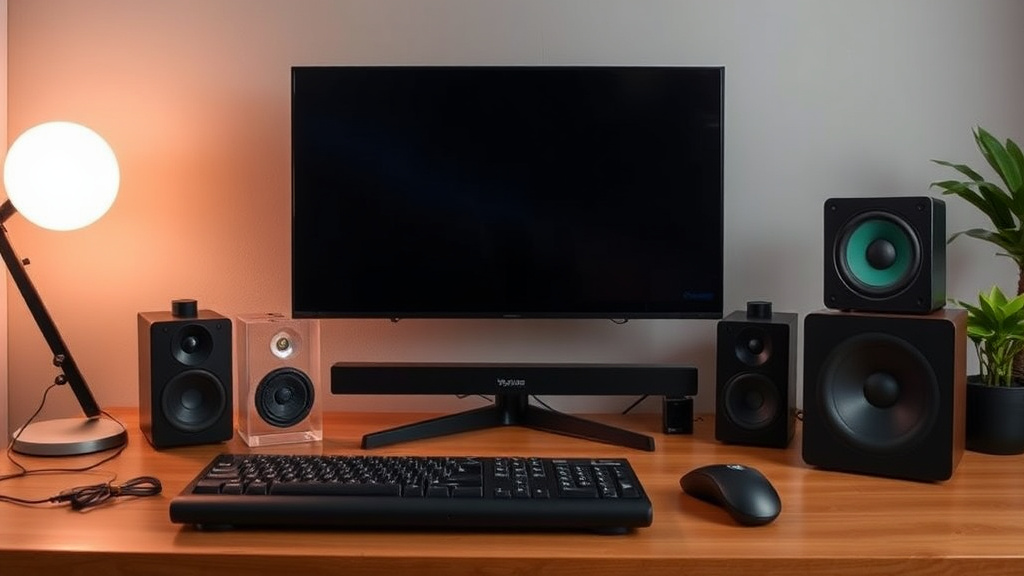
When you’re shopping for consumer electronics, reliable reviews help cut through marketing hype and unclear specs. Knowing how we test and review consumer electronics can give you confidence in the recommendations, so you understand the rigor behind our evaluations and what sets our reviews apart.
Key takeaways
- We combine objective technical measurements with real-world use cases to assess product performance comprehensively.
- Testing includes a consistent protocol covering build quality, usability, performance, battery life, and software experience.
- We verify manufacturer claims through hands-on tests and third-party benchmarks to avoid vendor hype.
- Our methodology adapts per category but always emphasizes long-term reliability and everyday user impact.
- Transparency in limitations and test conditions ensures you get a clear picture of each product’s pros and cons.
Why understanding review methodology matters
As someone who’s spent years testing everything from laptops and smartphones to smart home devices and headphones, I can’t stress enough the importance of a transparent and thorough review process. With millions of products available and marketing that can border on misleading, I want you — the consumer — to know how we separate fact from fluff. The goal is simple: help you make a well-informed decision that fits your exact needs, not just the specs sheet or flashy ads.
Setting up consistent testing conditions
One of the first challenges I tackled when writing reviews was ensuring testing conditions are consistent and repeatable. Without this, comparing products would be like comparing apples and oranges.
For example, when testing wireless earbuds, I use the same phone model for Bluetooth connectivity tests, the same playlist for audio quality, and the same quiet environment for microphone checks. For laptops, I run identical benchmark suites under controlled thermal conditions and maintain the same screen brightness.
We also standardize charging and battery testing protocols — measuring from full charge to shutdown using continuous video playback or mixed-use scenarios representing typical user patterns. This helps present real-world battery life rather than manufacturer estimates.
Combining objective benchmarks with real-world scenarios
Numbers and charts are essential, but I never rely solely on them. Consumer electronics live in messy real-world conditions, and factors like ergonomics, software user interfaces, and everyday reliability matter immensely.
For instance, a smartphone might score well in synthetic speed tests, but if the UI experiences stutters, or the camera software produces inconsistent photos, the overall experience suffers. We therefore pair benchmark scores with hands-on assessments like day-in-the-life usage, photo shoots indoors and outdoors, and evaluating usability for various user skill levels.
In smart home devices, we observe setup complexity, integration with other ecosystems (like Alexa or Google Home), and responsiveness during real voice commands, rather than just specifications on paper.
Validating manufacturers’ claims
Many companies make bold claims about battery life, screen durability, or AI features. We verify these to avoid you being duped by marketing. For example, if a laptop claims “up to 15 hours of battery life,” I put that to the test under conditions that match the vendor’s own description.
Sometimes claims hold, but often they’re hyperbolic or measured under unrealistic conditions (e.g., minimal brightness or inactivity). We call out these discrepancies and explain in plain terms what you can expect in everyday use.
Similarly, audio devices will be analyzed for frequency response and distortion through lab measurements, confirming or questioning claims about “hi-res audio” or “noise cancelling effectiveness.”
Adjusting methodology per product category
No one-size-fits-all approach exists in consumer electronics. Every category demands tailored testing to reveal what truly matters for users.
- Smartphones and tablets: Focus on display quality, camera versatility in different lighting, processor performance, battery endurance, and software updates/support.
- Laptops: Examine CPU/GPU benchmarks, thermal efficiency, keyboard comfort, port selection, screen color accuracy, and battery runtime under productive workloads.
- Audio gear: Evaluate sound signature, driver quality, noise cancellation, comfort during long wear, and microphone clarity.
- Wearables: Track accuracy of health sensors, battery life over typical days, app stability, and screen visibility outdoors.
- Smart home products: Measure setup intuitiveness, ecosystem integration, command recognition accuracy, and firmware update frequency.
By fine-tuning testing for each category, our insights are sharp, relevant, and directly useful.
Emphasizing long-term reliability and support
One thing I’ve learned is that initial performance isn’t the whole story. How a device holds up after months of use, how frequent firmware updates improve or degrade functionality, and manufacturer support quality are critical.
While long-term testing takes time, we incorporate user feedback and revisit popular models over months and years when possible. We alert readers to common failure points or software bloat from updates. Afterall, the best consumer electronics aren’t just flashy; they’re durable and supported.
How we handle software and firmware updates
Unlike some review sites that treat products as static, we understand products evolve post-launch. Firmware and software updates can fix bugs, add features, or sometimes introduce regressions.
Our review methodology includes:
- Documenting the software version tested
- Noting performance or usability changes following major updates
- Reporting on the availability and frequency of manufacturer updates during the review period
This helps you understand what your experience may be like beyond initial unboxing.
Transparency about limitations in testing
Even the best methodology has limits — and I always disclose those to maintain trust. For instance, lab environments can’t perfectly replicate every user’s setting. Some performance metrics can vary with ambient temperature or network conditions.
When testing new or niche categories where standardized benchmarks don’t exist, we clarify that qualitative observations carry more weight.
By laying out these boundaries, I want you to know upfront what conclusions are solid and where your mileage may vary.
Our testing checklist at a glance
| Test Aspect | What We Measure/Assess | Notes |
|---|---|---|
| Build Quality | Materials, fit and finish, durability under stress | Key for long-term reliability |
| Performance | Benchmarks, real-world app/gaming use | Includes CPU, GPU, network speed tests |
| Battery Life | Continuous video playback, mixed daily use | Measured in hours under consistent load |
| Display | Brightness, color accuracy, viewing angles | Important for phones, laptops, tablets |
| Audio | Frequency response, noise cancellation, call clarity | Critical for earbuds, headphones |
| Camera | Photo/video quality in various lighting | Tested indoors, outdoors, night mode |
| Software Experience | UI smoothness, features, bloatware | Also update frequency and quality |
| Connectivity | Wi-Fi, Bluetooth, cellular signal strength | Stability and range tested |
| Setup and Usability | Out-of-the-box experience, app setup | Especially for smart home and wearables |
| Customer Support & Updates | Firmware updates, manufacturer responsiveness | Based on vendor policies and follow-up |
Related reading
- How we test and score consumer electronics — methodology explainer
- consumer electronics quality signals we trust before recommending
- consumer electronics FAQ — honest answers
- consumer electronics brands we recommend vs avoid
- Best consumer electronics under $100 — budget picks that still work
FAQ
How often do you update your reviews after launch?
We aim to revisit popular products 3-6 months post-launch to note software updates or newly discovered issues. For some categories like wearables or smart home gadgets, ongoing updates are tracked as long as the product stays relevant.
Do you test every feature claimed by manufacturers?
We prioritize features that impact daily user experience. Niche or theoretical features are tested if practical (e.g., AI camera modes), but we do not simply take claims at face value—they’re always verified or explicitly noted.
How do you ensure unbiased reviews?
Our testing setup and criteria are consistent across similar products to prevent favoritism. We disclose if samples are provided by manufacturers but maintain editorial independence. There are no pay-for-play influences on scoring or recommendations.
How can I trust your test results reflect my usage?
While no test covers every possible user scenario, we design our protocols around typical real-world usage patterns. We offer detailed context and examples so you can gauge how close your own use case is.
Will you test software or ecosystem compatibility?
Yes, especially when ecosystem integration impacts functionality, such as smart home interoperability or app availability. We verify that claimed compatibilities work as advertised, and note limitations or exclusives.
Understanding the depth and care that goes into testing consumer electronics helps distinguish hyperbole from reality — and that’s the core of what I strive for in every review. When you read our verdicts, you can trust there’s rigorous, honest research behind them, giving you the clarity needed for smart tech purchases.
Related reading
- How we test and score consumer electronics — methodology explainer
- consumer electronics troubleshooting when things go wrong
- consumer electronics
- Best consumer electronics (2026 buyer’s guide)
- Refurbished vs new for consumer electronics